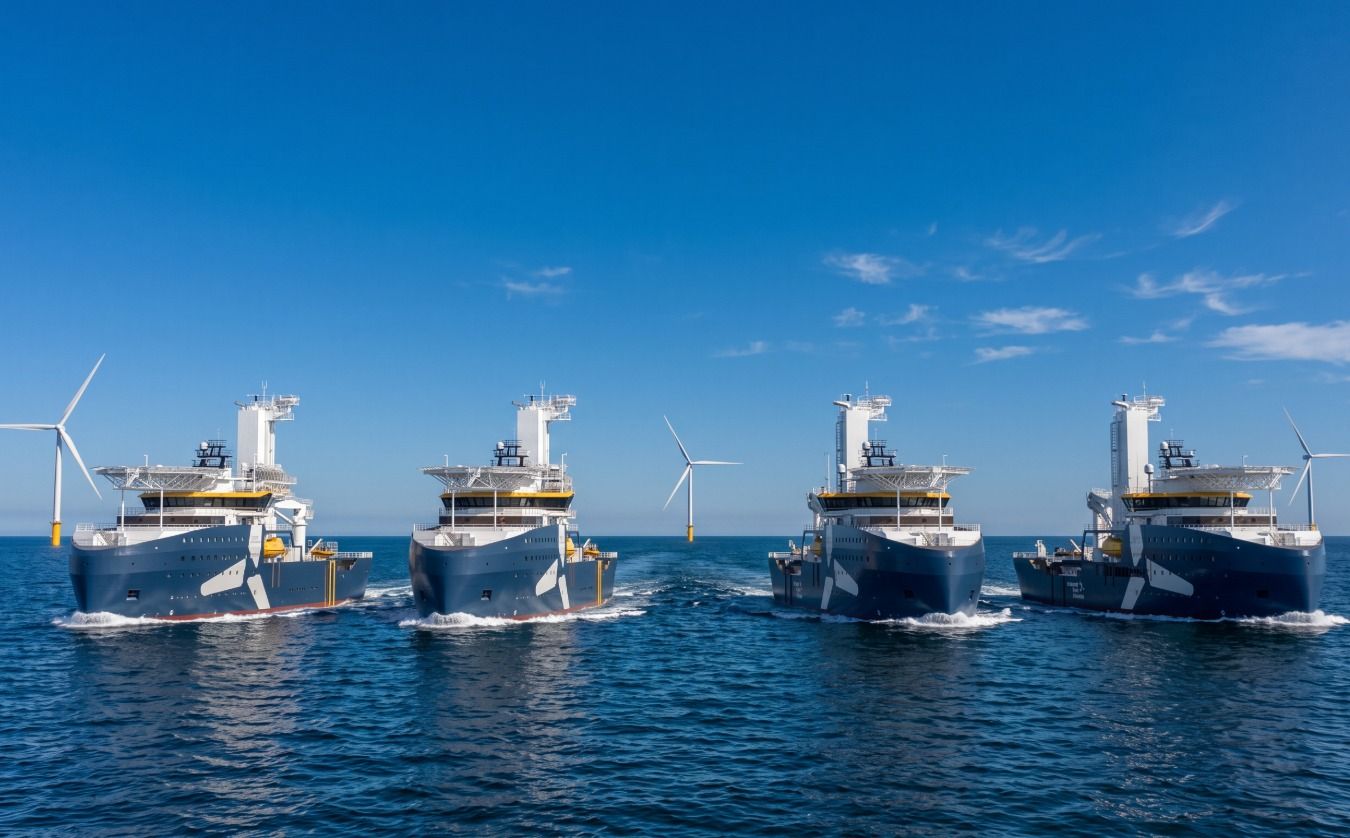
Rising public awareness of the shipping industry's impact on global GHG emissions has catalysed efforts to decarbonise the sector. In-line with this, global regulations such as the International Maritime Organisation's 2020 Sulphur Cap are driving the research and development (R&D) of alternative propulsion methods, including hybrid and electric engines.
However, with such innovations still under development in the offshore wind market, OESV operators cannot wait for new technologies to become available to start reducing their carbon footprint. By focusing on tackling controllable factors such as trim, hull fouling and speed through established monitoring technology, OESV operators can identify inefficiencies in vessel performance and calculate the optimal operating conditions for their vessels.
As OESVs are required to transfer personnel and equipment in harsh environments, operators must ensure that optimised vessel performance does not compromise industry best practice on crew and technician safety, vessel availability and speed during operations. Route optimisation, turbine tie offs, anchoring and switching off engines are all reasonable, smart adjustments owners and operators can employ to make real, substantial gains without compromising of safety or environmental standards.