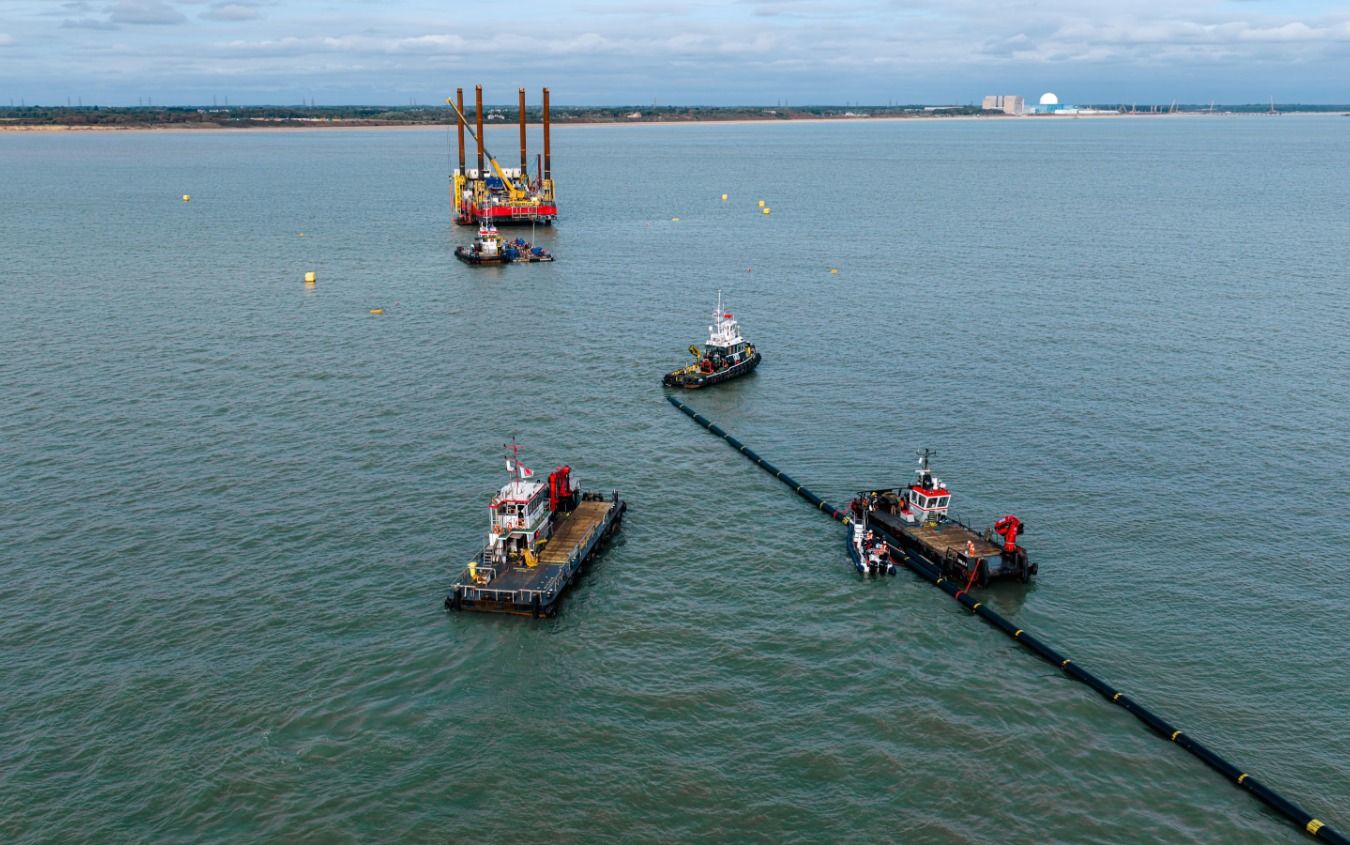
The rise of wind will be pivotal to the transformation of the Blue Economy. DNV states that currently, 80% of CAPEX in the Blue Economy is invested in the offshore oil and gas sector, but by 2050 that number will have dropped to 25%. By then, offshore wind will receive the largest investments, accounting for half of all CAPEX. The decreasing prominence of oil and gas will be largely responsible for CAPEX inflows into the Blue Economy being less in 2050 than today, whilst operating expenditure will increase below GDP growth. The Blue Economy will be more focused on Asia with Greater China set to account for more than a quarter of CAPEX by 2050 as it builds out its offshore wind capacity and marine aquaculture.
“The Blue Economy is entering a period of sectoral and geographic diversification,” said Remi Eriksen, Group President and CEO of DNV. "Currently, the regions which benefit most from the ocean in economic terms are those with access to oil and gas fields off their coastlines. But as the world decarbonises and the need for renewable energy grows, countries not able to be part of the age of fossil fuel can be part of the age of wind.”
For more news and technical articles from the global renewable industry, read the latest issue of Energy Global magazine.
Energy Global's Autumn 2021 issue
The Autumn issue of Energy Global features a varied spectrum of in-depth technical articles detailing recent projects, future projections, and technological advancements in the renewables sector, from companies including MISTRAS Group, Fugro, X1 Wind, Sulzer, and more.